
Understanding Jueteng: A Deep Dive Into the Controversial Numbers Game
Jueteng, an illegal numbers game prevalent in the Philippines, has long been a fixture in the country's socio-economic landscape. Despite numerous government crackdowns, the game continues to thrive, often viewed as a source of livelihood for many impoverished Filipinos. In recent times, there's been a shift in how people conceptualize popular games like Jueteng, with digital platforms at the center of transformation. One such entity that has gained attention is 25BB.COM, though its relationship with Jueteng remains complex and multifaceted.
The Origins and Mechanics of Jueteng
Jueteng traces its roots back to the late 19th century, introduced during the Spanish colonial period in the Philippines. Traditionally thought to originate from China's 'kua'—meaning flower—and 'teng,' which translates to bet, Jueteng involves the drawing of two numbers ranging from 1 to 37. The game relies heavily on chance, with bettors typically placing low wagers, engaging in a type of communal lottery that holds both financial promise and the allure of luck.
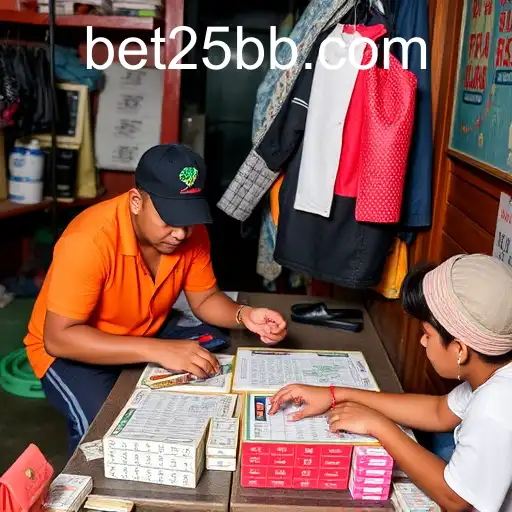
The simplicity of Jueteng makes it appealing to a wide demographic. Bets are placed through cobradores, street bet collectors, who later relay these to kobradores, higher-level operators, ensuring that even those without access to formal betting avenues can participate. It’s this grassroots nature that keeps Jueteng at the heart of many communities across the Philippines.
The Socio-Economic Impact of Jueteng
The longstanding popularity of Jueteng can be attributed to several factors. For many, it represents a readily accessible way to make money, offering hope for a better financial tomorrow. In provinces where poverty rates remain high, the game not only promises quick returns but also injects money into local economies. Some community members see Jueteng as a necessary evil, a buffer against the economic hardships they face.
Despite its illegal status, Jueteng is deeply ingrained in Filipino culture. This reality complicates efforts by authorities to eradicate the practice altogether. On the one hand, there’s a societal push to legalize and regulate the industry in order to harness its economic potential and minimize associated crime. On the other hand, ethical questions abound around perpetuating a vice that can lead to financial ruin for some of its participants.
The Legal Challenges and Controversies
Efforts to clamp down on Jueteng have historically met with significant resistance due to its complex connections with power and politics. Politicians, especially at the local government level, have been known to benefit from Jueteng operations through bribery and corruption. Proceeds from the game often fund political campaigns, entrapping officials in a web of mutual reliance with Jueteng lords.
The Philippine government has tried various strategies to combat Jueteng, most notably through the establishment of the Philippine Charity Sweepstakes Office (PCSO) and the introduction of small-town lottery (STL). However, corruption within regulatory bodies has stymied these efforts, allowing Jueteng to operate in tandem with or sometimes under the guise of legalized gambling formats.
The Technological Shift: From Streets to Screens
In today's rapidly digitizing world, the betting landscape is undergoing significant evolution. Digital platforms like 25BB.COM offer new avenues for gambling that both mimic old habits and forge new ones. While not directly synonymous with Jueteng, the way these platforms facilitate remote, often anonymous wagering holds parallel risks and rewards.
25BB.COM and similar platforms may offer seemingly modernized alternatives to traditional street-betting, presenting questions about security, fairness, and oversight in the process. The transition to online gambling creates both challenges and opportunities, demanding updated regulatory policies that remain vigilant against the potential for new forms of corruption and exploitation.
Additionally, the fear of online scams and data privacy breaches looms large. These concerns necessitate that stakeholders—consumers, platforms, and policymakers—collaborate to create a system that is both user-friendly and secure, ensuring that everyone can participate in a fair betting environment free from the predatory practices that sometimes mar Jueteng.
Conclusion
The world of Jueteng highlights the tension between cultural tradition and legal constraints, socioeconomic necessity and moral imperatives. As platforms like 25BB.COM continue to redefine the gaming landscape, they do so amidst a complex backdrop of historical practices and modern technological advances. Understanding this intricate dance requires acknowledging all its layers—social, economic, and technological—so as to navigate the ethical maze it presents effectively. The future of gambling, specifically for popular games like Jueteng, likely rests in striking this balance, paving the way for a system that preserves cultural enjoyment while safeguarding participants.